






















Paid Family Caregiving vs. Assisted Living -Which Is Right for You?
13 Jan 2026 • Nationwide

Choosing the Right Kind of Care
When a loved one needs daily support, families face one of the hardest choices — should they move their loved one into an assisted living facility or care for them at home? Both options come from love, but they lead to very different experiences, costs, and lifestyles.
Through CaringPays, families are discovering an alternative: paid family caregiving programs that make it possible to provide care at home while receiving financial and professional support. Before deciding, it’s important to understand how both options compare in cost, quality, and emotional impact.
Home Care: Familiar Faces, Familiar Places
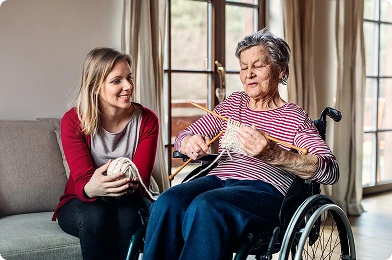
Paid family caregiving allows relatives or trusted friends to care for loved ones in their own homes. Programs funded by Medicaid help caregivers receive tax-free stipends or hourly pay (depending on program and state) for providing daily assistance.
Benefits include:
- Remaining in a familiar environment
- Personalized, one-on-one attention
- Lower costs than facility care
- Stronger emotional connection
Assisted Living: Structured, But Less Personal
Assisted living communities provide housing, meals, and supervision. While they offer social interaction and amenities, the cost can exceed $4,000–$7,000 per month, depending on the level of care. Staff-to-resident ratios are higher, which can mean less individualized attention.
Some families appreciate the structure and convenience; others feel the emotional distance and cost outweigh the benefits.
Key Differences at a Glance
| Aspect | Paid Family Caregiving | Assisted Living |
|---|---|---|
| Cost | Covered by Medicaid | Private pay |
| Setting | Home | Facility |
| Caregiver | Family or friend | Staff caregivers |
| Flexibility | Personalized schedule | Facility routines |
| Emotional comfort | High | Moderate |
| Financial support | Yes (stipend/hourly pay) | No |
Real Story
“My mother wanted to stay home, but I couldn’t afford to quit my job. Through CaringPays, I became her paid caregiver and could keep her where she felt safe. It was the best decision for both of us.” — Emily, Family Caregiver
FAQs
Q: Which option is more affordable?
A: Home caregiving under Medicaid programs is typically far less expensive than assisted living.
Q: Do I need medical training to be a family caregiver?
A: No. Basic training is provided through the program or agency.
Q: What if my loved one needs medical supervision?
A: Nurses and case managers oversee home-based care plans through CaringPays programs.
Final Thoughts
There’s no one-size-fits-all answer, but for families who value independence, closeness, and comfort, paid family caregiving often provides the best balance of care and stability.
Speak with a Care Advisor today to check eligibility and explore home-care programs that pay family caregivers.
Disclaimer: Availability and benefits vary by state. This blog is for informational purposes only.