





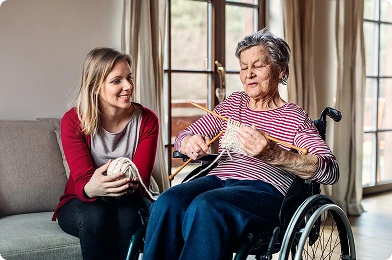


















Navigating Caregiver Support Services: Key Programs, Resources, and Benefits for Family Caregivers.
19 Jan 2026 • Nationwide

Caring for a loved one—whether an elderly parent, a spouse with chronic illness, or a family member with special needs—can be both fulfilling and overwhelming. Many people assume the role of a health caregiver without fully realizing the breadth of resources and support available to them.
This guide highlights caregiver services, caregiver support resources, and family caregiver support programs that can ease stress, provide financial relief, and improve overall well-being.
Understanding the Role of a Caregiver
A caregiver can be a professional home caregiver or a family member providing day-to-day assistance. Responsibilities may include:
- Managing medications and medical appointments
- Helping with daily activities like bathing, dressing, and meal preparation
- Offering emotional support and companionship
Whether you’re new to caregiving or have years of experience, accessing help for family caregivers is essential to avoid burnout and maintain balance.
Key Caregiver Services and Programs
Family Caregiver Program
A family caregiver program provides support such as training, respite care, and sometimes financial assistance. These programs may be offered by local governments, nonprofit organizations, or healthcare providers.
Home Care and Family Support Program
A home care and family support program offers in-home assistance so seniors or individuals with disabilities can remain in a familiar environment.
Support for caregivers of elderly parents often includes:
- Help with daily tasks and mobility assistance
- Caregiver relief program options, including respite care
- Benefits for caring for elderly parents at home, such as tax credits or state stipends
Finding Caregiver Support Resources
Caregiver support resources range from counseling and mental health services to community support groups. Online forums and local meetups allow caregivers to share experiences, advice, and emotional support.
General caregiver support helps reduce isolation and provides reassurance that you’re not navigating caregiving alone.
Financial Assistance: Grants for Caregivers of Elderly Parents
While not all caregivers qualify for direct pay, grants for caregivers of elderly parents can help cover expenses such as medical supplies, home modifications, or short-term respite care.
To explore available grants:
- Check with local charities or nonprofit organizations
- Research state and federal caregiver services
- Explore faith-based or community organizations offering caregiver assistance
Most grants have eligibility requirements, so be prepared to provide documentation related to your caregiving role and your loved one’s condition.
Final Thoughts
Caregiving can feel like a full-time job—but you don’t have to do it alone. From caregiver help lines to family caregiver support programs, many resources exist to protect your health and well-being.
By using available caregiver support resources, you can improve the quality of care you provide while building a more sustainable balance in your own life.
Disclaimer: This article is for informational purposes only and does not constitute medical, financial, or legal advice. Always consult qualified professionals or government agencies for guidance specific to your situation.